
"From Home to adventure-enjoy the journey to a good life."
"From Home to adventure-enjoy the journey to a good life."

Welcome to your transformative journey towards a more positive mindset. Over the next 30 days, you’ll engage in simple yet powerful daily practices designed to rewire your brain for optimism and resilience.
Positive thinking isn’t just about feeling good4it’s a science-backed approach to improving your mental health, relationships, and overall quality of life. This challenge provides the structure and support you need to make meaningful, lasting changes to your thought patterns.
Are you ready to transform your mindset one day at a time? Let’s begin this journey together!
The Power of Positive Thinking
Health Benefits
Research from Harvard T.H. Chan School of Public Health (2019) links positive thinking to a 12% lower risk of death. Optimists experience fewer cardiovascular issues and recover faster from illnesses.
Mental Resilience
Positive thinkers bounce back more quickly from setbacks, experiencing less stress and anxiety during challenging times. They’re more likely to seek solutions rather than dwelling on problems.
Relationship Ǫuality
Those who maintain a positive outlook tend to attract and maintain healthier relationships. They communicate more effectively and respond to conflicts with greater emotional intelligence.
The Science Behind Mindset Shifts
Neuroplasticity
Your brain physically rewires with repeated positive thoughts
Biochemical Changes
Positive emotions boost serotonin and dopamine levels
Physiological Impact
Reduces stress hormones and inflammation markers
Recent neuroscience research has revolutionized our understanding of how thoughts shape brain function. Through neuroplasticity, our brains form new neural pathways when we consistently practice positive thinking patterns.
Multiple clinical studies demonstrate significant improvement in anxiety and depression symptoms when patients engage in structured positive thinking exercises for just 5-10 minutes daily over a 30-day period.
How the 30-Day Challenge Works
Daily Practice
Each day features one simple positive thinking activity designed to take 5-15 minutes. Activities build progressively, becoming more impactful as you advance through the challenge.
Consistency Matters
Complete activities at the same time each day to build a sustainable habit. Morning practices set a positive tone, while evening reflections help process the day’s experiences.
Track Your Journey
Record your thoughts and feelings in the provided tracking tools to witness your transformation. Small wins accumulate into significant mindset changes over the 30-day period.
We’ve designed this challenge specifically for busy individuals, focusing on small, actionable steps that integrate seamlessly into your existing routine. The progressive structure helps you build momentum without feeling overwhelmed.
Measuring Your Progress
Daily Reflection Log
A structured journal template with prompts to capture your positive moments, challenges, and insights gained throughout the challenge.
Mood Tracking
Rate your overall mood on a 0-10 scale each morning and evening to visualize improvements over time and identify patterns.
Weekly Check-In Prompts
Deeper reflection questions that help you connect the dots between daily practices and broader mindset shifts.
Tracking your progress serves as both motivation and feedback, showing you concrete evidence of your mindset transformation. Many participants report feeling subtle shifts within the first week, with more significant changes becoming apparent around days 14-21.
Week 1: Gratitude and Recognition
Identify Positives
Train your attention to notice good
things
Reflect & Reinforce
Review growth in awareness
Record Gratitude
Document what you appreciate daily
Express Thanks
Share appreciation with others
The first week focuses on cultivating gratitude4a fundamental positive thinking practice. According to Emmons & McCullough’s 2003 study, regular gratitude journaling increases happiness by approximately 25% and reduces depressive symptoms.
By intentionally recognizing positive aspects of your life, you begin rewiring your brain to automatically notice good things rather than defaulting to negative bias.
Week 1 Sample Days

Day 1: Gratitude Basics
List three things you’re grateful for today, including one thing about yourself. Explain why each matters to you.
Day 2: Visual Gratitude
Take photos of three things that bring you joy throughout the day. Review them before bed.
Day 4: Appreciation Expression
Share specific appreciation with someone who has positively impacted your life. Notice how this affects both of you.
Day 7: Weekly Reflection
Review your gratitude entries and identify patterns. Set intentions for noticing new sources of gratitude next week.
These daily activities progressively build your “gratitude muscle,” moving from personal awareness to shared appreciation. Many participants report that Day 4’s expression of gratitude creates particularly meaningful connections.
Week 2: Reframing Negative Thoughts
Identify
Recognize negative thought patterns
Challenge
Question their validity and usefulness
Reframe
Create balanced alternative perspectives
Practice
Reinforce new thought patterns

Week 2 introduces cognitive behavioral therapy (CBT) techniques to transform negative thinking patterns. These evidence- based approaches help you identify distorted thoughts and replace them with more balanced, constructive perspectives.
Research shows that consistent thought reframing can reduce anxiety symptoms by up to 50% and depression by 46% after eight weeks of regular practice. This week builds crucial skills for long-term emotional resilience.
Week 2 Sample Days
Day Y: Flip the Script
Identify a recent setback and write three positive aspects or lessons it provided. Example: “Missing the deadline taught me to build in buffer time and ask for help earlier.”
Day 12: Thought Detective
Catch yourself in negative self-talk and apply the 3-question test: Is it true? Is it helpful? What would I tell a friend thinking this? Then rewrite the thought constructively.
Day 14: Success Spotlight
Reflect on a past challenge you overcame. Write about the strengths and abilities you demonstrated. Connect how these same qualities apply to current situations.
These exercises build your mental toolkit for responding constructively to challenges. The “thought detective” technique on Day 12 is particularly powerful for breaking habitual negative thought loops and creating new neural pathways.
By week’s end, many participants report catching negative thoughts more quickly and automatically considering alternative perspectives.
Week 3: Kindness and Connection


Random Acts of Kindness
Small, unexpected gestures that brighten someone’s day
Authentic Connections
Meaningful interactions that foster belonging
Community Engagement
Contributing to something larger than yourself
Self-Kindness
Extending compassion to yourself
Week 3 focuses on the powerful connection between positive thinking and social relationships. Research shows that acts of kindness trigger the brain’s reward system, releasing dopamine and creating a “helper’s high” that benefits both the giver and receiver.
Strong social connections are associated with a remarkable 50% increase in longevity and significantly improved mental health outcomes. This week helps you intentionally strengthen your social bonds.
Week 3 Sample Days



Day 15: Deliver a specific, genuine compliment to a colleague or friend about something you admire in them. Notice how this affects your mood and their response.
Day 17: Perform a helpful act for a neighbor or community member without expectation of recognition. Reflect on how this connects you to something larger than yourself.
Day 19: Write a thank-you note to someone whose kindness you’ve never properly acknowledged. Be specific about how their actions impacted you positively.
Week 4: Mindfulness and Self-Care
Present Moment Awareness
Training attention on the now rather than ruminating on past or future. Research shows mindfulness reduces stress hormones by 22% and improves focus by 14%.
Self-Compassion
Treating yourself with the same kindness you’d offer a good friend. Boosts emotional resilience and reduces self- criticism by up to 40% in studies.
Restorative Practices
Activities that replenish your physical and mental energy. Regular self- care reduces burnout risk by 26% and improves sleep quality. The final week integrates mindfulness and self-care4essential components for sustaining positive thinking long-term. These practices help you create mental space to respond thoughtfully rather than react automatically to life’s challenges.
Week 4 Sample Days
Day 23: Guided Meditation
10-minute focused breathing practice
Day 24: Mindful Nature Walk
Sensory-focused outdoor experience
Day 25: Digital Detox
Two hours without electronic devices
Day 2C: Self-Compassion Letter
Supportive message to yourself
These final week activities help integrate mindfulness into your daily routine. The self-compassion letter on Day 26 is particularly transformative4many participants describe it as the most emotionally moving exercise in the entire challenge.
Research shows that even brief daily meditation practices like the one on Day 23 can produce measurable changes in brain activity associated with improved emotional regulation after just two weeks.
Tools for Daily Positive Thinking
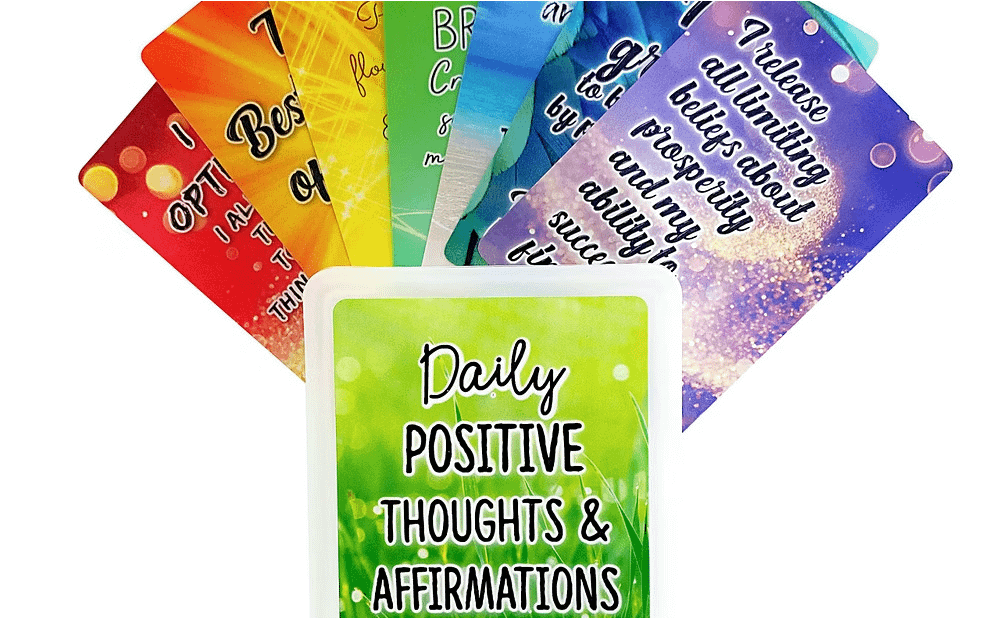

Affirmation Cards
Portable reminders with positive statements to interrupt negative thought patterns. Most effective when personalized to address your specific thought tendencies.
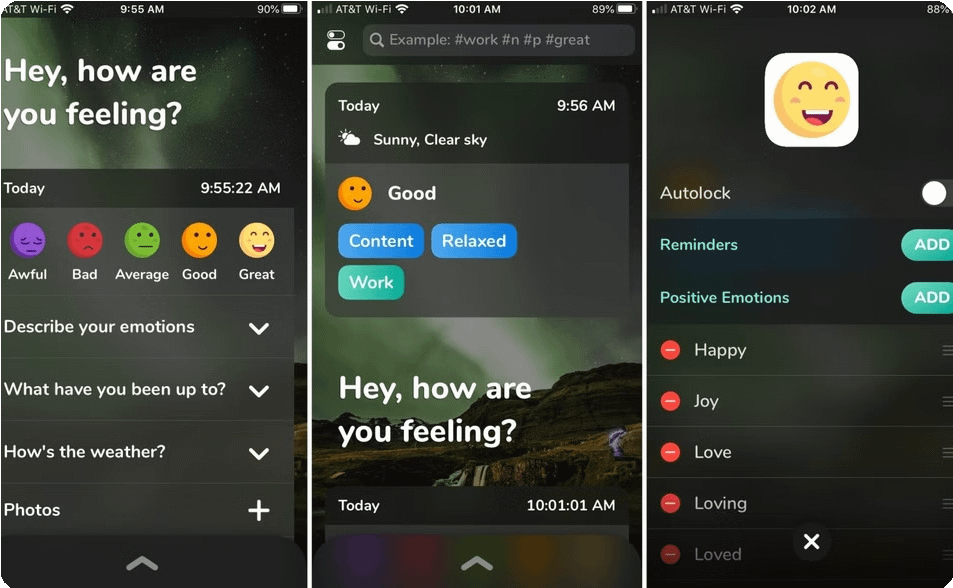
Mood Tracking Apps
Digital tools like Happify, Moodfit, and Daylio that help you monitor emotional patterns and provide tailored activities based on your mental state.
Mindfulness Reminders
Physical cues like specially designed bracelets or scheduled phone alerts that prompt you to check in with your thoughts throughout the day.
These practical tools extend the impact of your daily positive thinking practice by providing structure and reminders. Consistency is key4research shows that visible cues increase habit formation success by 35%.
Overcoming Common Challenges
Challenge Solution Strategy
Skepticism (“This is just fluff”) Focus on measurable outcomes and scientific evidence. Track concrete benefits like improved sleep or reduced stress.
Inconsistency Start with just 2-3 minutes daily. Link practice to existing habits like morning coffee or brushing teeth.
Backsliding during stress Create a “stress emergency kit” with your most effective exercises. Accept imperfection as part of the process.
Feeling inauthentic Distinguish between toxic positivity and healthy optimism.
Acknowledge difficulties while finding constructive perspectives.
Remember that setbacks are a normal part of any behavior change. Research shows that people who succeed in forming new habits typically slip up 7-10 times during the establishment phase. The key is to restart without self-criticism.
Studies indicate that 80% of people complete challenges when they make a public commitment compared to just 40% who keep their intentions private. Consider sharing your journey with a trusted friend.
Tracking and Reflecting: Why It Works
40%
Completion Boost
Higher challenge completion rates when tracking progress
C2%
Awareness Increase
Greater recognition of thought patterns with consistent logging
 55%
55%
 55%
55%Motivation Jump
Enhanced motivation when visualizing progress over time
The simple act of tracking your positive thinking practice dramatically increases its effectiveness. Neuroscience research explains that tracking creates a feedback loop that reinforces neural pathways and accelerates habit formation.
Your challenge journal serves as both a progress tracker and a personal resource library. Many participants report returning to their journals during difficult times to review successful thought-shifting strategies they’ve documented.
Success Stories & Case Studies
Stress Reduction
Sleep Quality
Relationship Satisfaction
Work Performance
Overall Happiness
0 15 30 45
Jane, a 42-year-old marketing executive, reported a 30% improvement in mood after completing the challenge. “The thought reframing techniques from Week 2 completely changed how I handle client feedback. I’m no longer taking things personally, and my team has noticed the difference.”
A tech company in Seattle implemented the challenge as part of their wellness program. After 30 days, they measured a 15% reduction in sick days and a 24% increase in team members reporting high job satisfaction.
Making Positive Thinking a Lasting Habit
 Making Positive Thinking a Lasting Habit
Extend with Themed Months
After completing the initial challenge, try themed months focusing on specific positive thinking skills. Example: “Gratitude February” or “Mindful May” keeps practices fresh and engaging.
Link to Existing Routines
Attach positive thinking practices to established daily habits. Pair gratitude reflection with morning coffee or thought reframing with evening teeth brushing to leverage habit stacking.
Create Accountability Systems
Join or form a positive thinking group that meets weekly to share experiences. Social accountability increases long-term adherence by 78% according to behavior change research.
Schedule Regular Refreshers
Set calendar reminders for quarterly mini-challenges to reinforce skills and prevent regression to old thought patterns.
Your Next Steps


Download Challenge Calendar
Access your printable 30-day calendar with daily activities, tracking spaces, and inspirational quotes. The structured format makes it easy to follow along and maintain consistency throughout the challenge.
Join the Community
Connect with fellow positive thinkers in our online forum or accountability groups. Sharing experiences and insights multiplies the impact of your practice and provides support during challenging days.
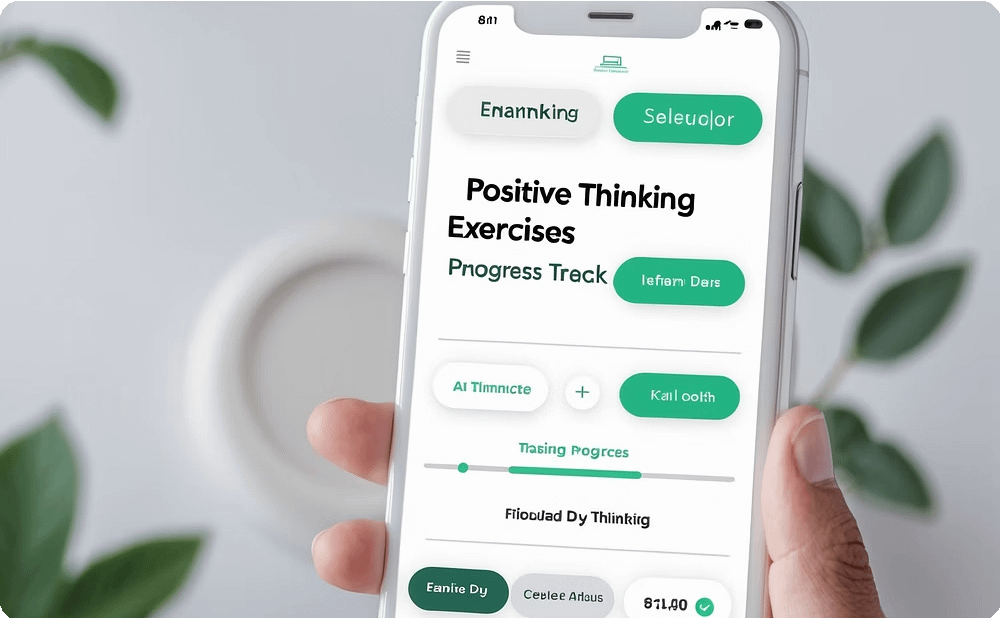
Download Companion App
Get the digital companion tool for on- the-go access to exercises, tracking features, and additional resources.
Includes optional notifications to remind you of daily practices.
All resources are available at positivethinkingchallenge.com/resources. Begin whenever you’re ready4many participants find that starting on a Monday helps with weekly tracking rhythm.
Embrace the Mindset Shift
Awareness
 Awareness
Recognize thought patterns
Share
Inspire others through example
Practice
Apply positive thinking tools
Growth
Experience improved wellbeing
As we conclude this overview, remember that positive thinking isn’t about denying life’s challenges4it’s about approaching them with resilience and perspective. The next 30 days offer you concrete tools to transform your mental landscape one thought at a time.
In the words of psychologist William James, “The greatest discovery of my generation is that human beings can alter their lives by altering their attitudes of mind.” Your journey begins today. Positivity is indeed a muscle4build it daily.